01
Competition exposure
Visible integration across the car, paddock and event media at appropriate race and development events.

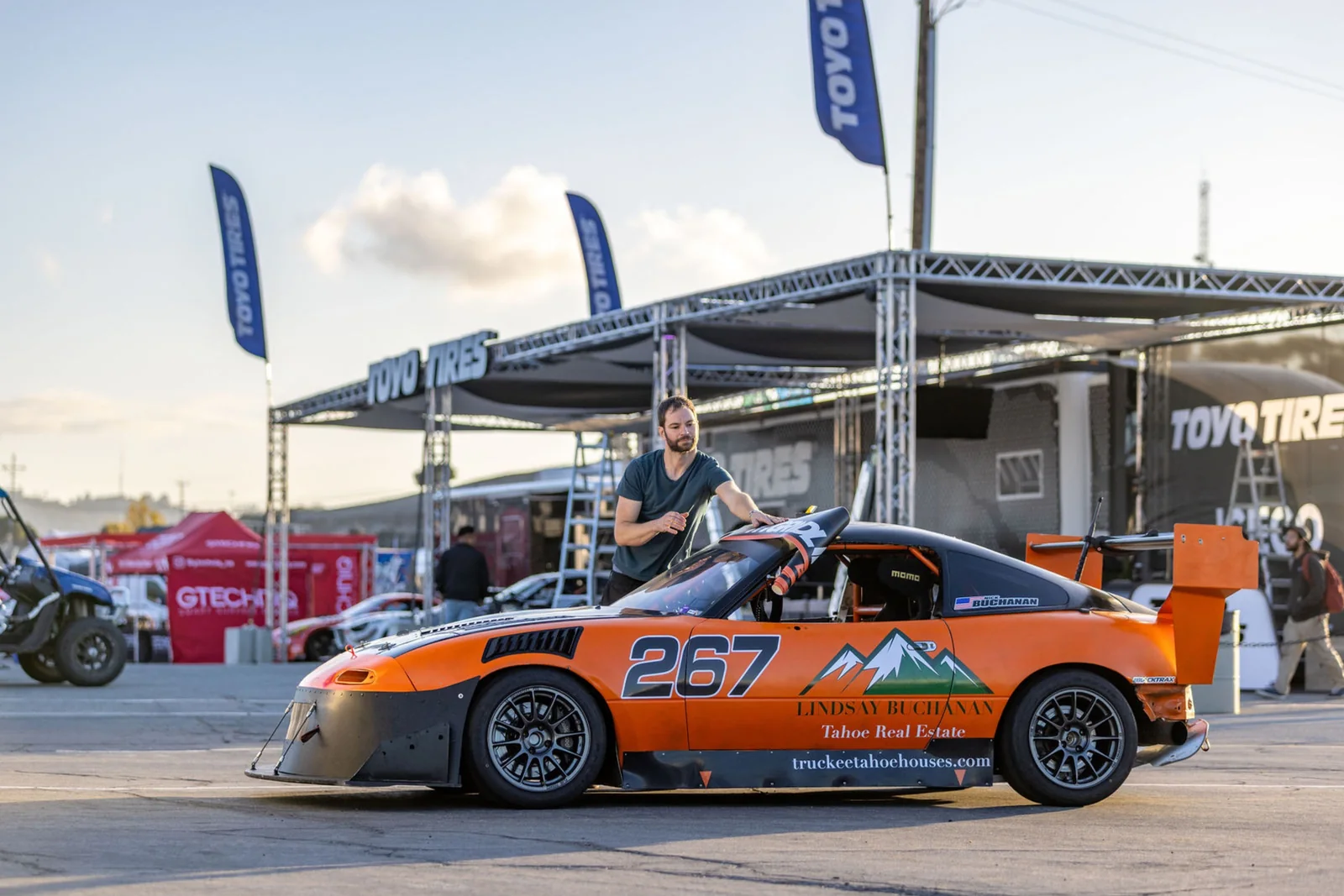
Partner with Buchanan Racing
Partnerships built around credible competition, technical integration and documented value—not a logo placed on a car and forgotten.
Let’s talk partnershipsLet’s build the right program.

Current sponsor
Proudly supporting Buchanan Racing and the #267 Miata. Thank you to Buchanan Realty for helping make this program possible, on and off the track.
Visit truckeetahoehouses.com (opens in a new tab)In practice · September 18–20, 2026
A return to focused competition, documented through race footage, logged data and component inspection.
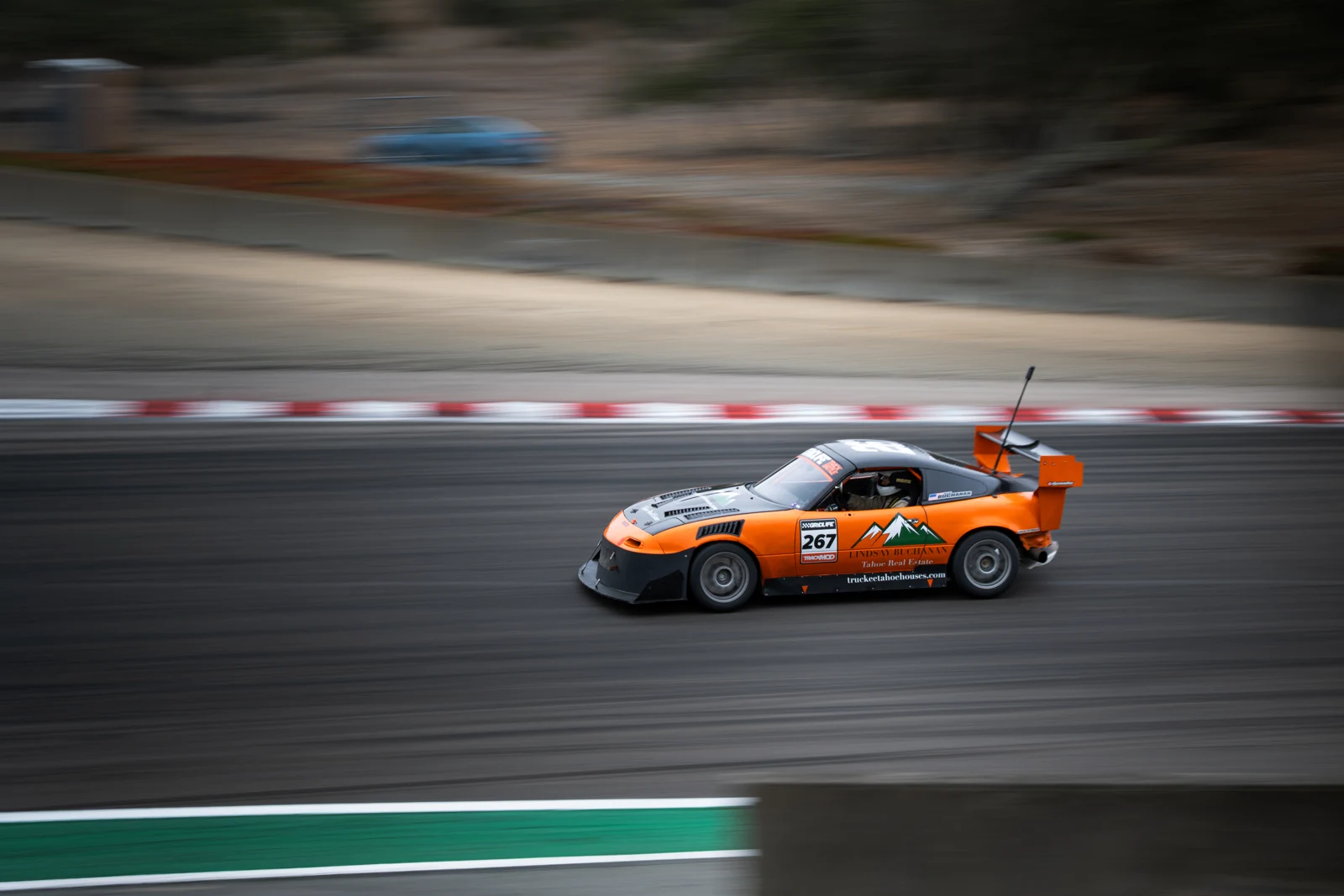
Every session was completed except Friday evening, which Nick deliberately skipped to preserve tires in hot, greasy track conditions. With little prospect of improving his time in that session, the priority was the rest of the weekend. Carried spares enabled a front rotor-ring and brake-pad replacement during the event, keeping the program competing.
Onboard video, routine tire pressure and temperature records, and logged braking and cornering data help explain the car’s behavior and guide the next setup change.
Measurement → decision → next test
At Laguna, starting pressures changed from 25 psi in the first session to 24 psi in the second. In the second session, recorded pressures rose from 31 / 31 / 30 / 30 psi mid-session to 33 / 32 / 31 / 31 psi at the end (LF / RF / LR / RR). That pressure growth helped establish how the tires behaved over a run.
Three-point tread temperatures showed hotter inner shoulders—for example, the left front measured 153°F outside, 168°F center and 206°F inside. Later inspection also showed more wear on both shoulders than in the center. Looking at temperatures and wear together changed the next-test priority: evaluate 34–35 psi hot on the existing alignment before changing camber.
The 34–35 psi target is a planned RC-1 test, not a validated improvement or a starting recommendation for another tire. Different tire sets were used in the first two sessions, so those runs do not isolate the effect of a 1 psi starting-pressure change.
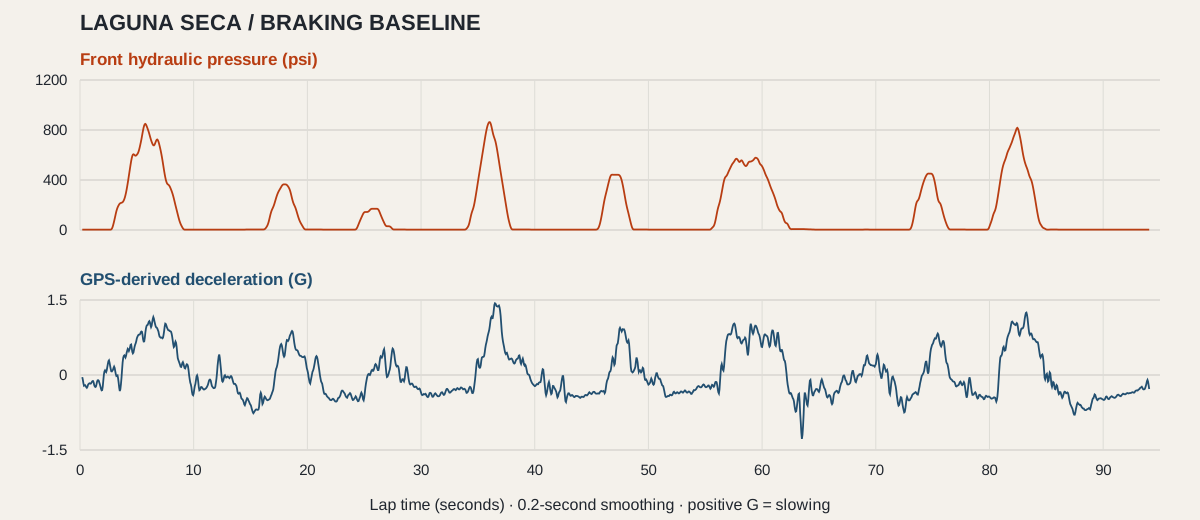
View the full-size braking chart ↗
Next step: add 30 mm of tire width at each corner with the 275/35R15 package, then use offseason test days to refine the setup and explain observed changes with context about tires, conditions and configuration.
The proposition
Buchanan Racing combines an unusual platform, an engineering-led development process and a focused 2027 competition target. That creates natural opportunities for brands whose products belong on the car, in the paddock or in the process.
Every relationship is scoped to fit the partner. Product support, technical collaboration and commercial sponsorship are handled with defined deliverables and honest reporting.
Use it. Measure it. Explain what changed.
Partner value
Programs are tailored around the product, audience and shared objective. These are the building blocks—not a one-size-fits-all package.
01
Visible integration across the car, paddock and event media at appropriate race and development events.
02
Installation and use of products that genuinely fit the planned build, test or competition program.
03
Structured observations from setup work, logged data, wear inspection and on-track use.
04
Credible stories about the reason for a change, the installation process and what the car did afterward.
05
Trackside imagery, onboard footage, data overlays and partner acknowledgments in relevant content.
06
Car appearances, campaign links and reporting against the deliverables agreed at the start.
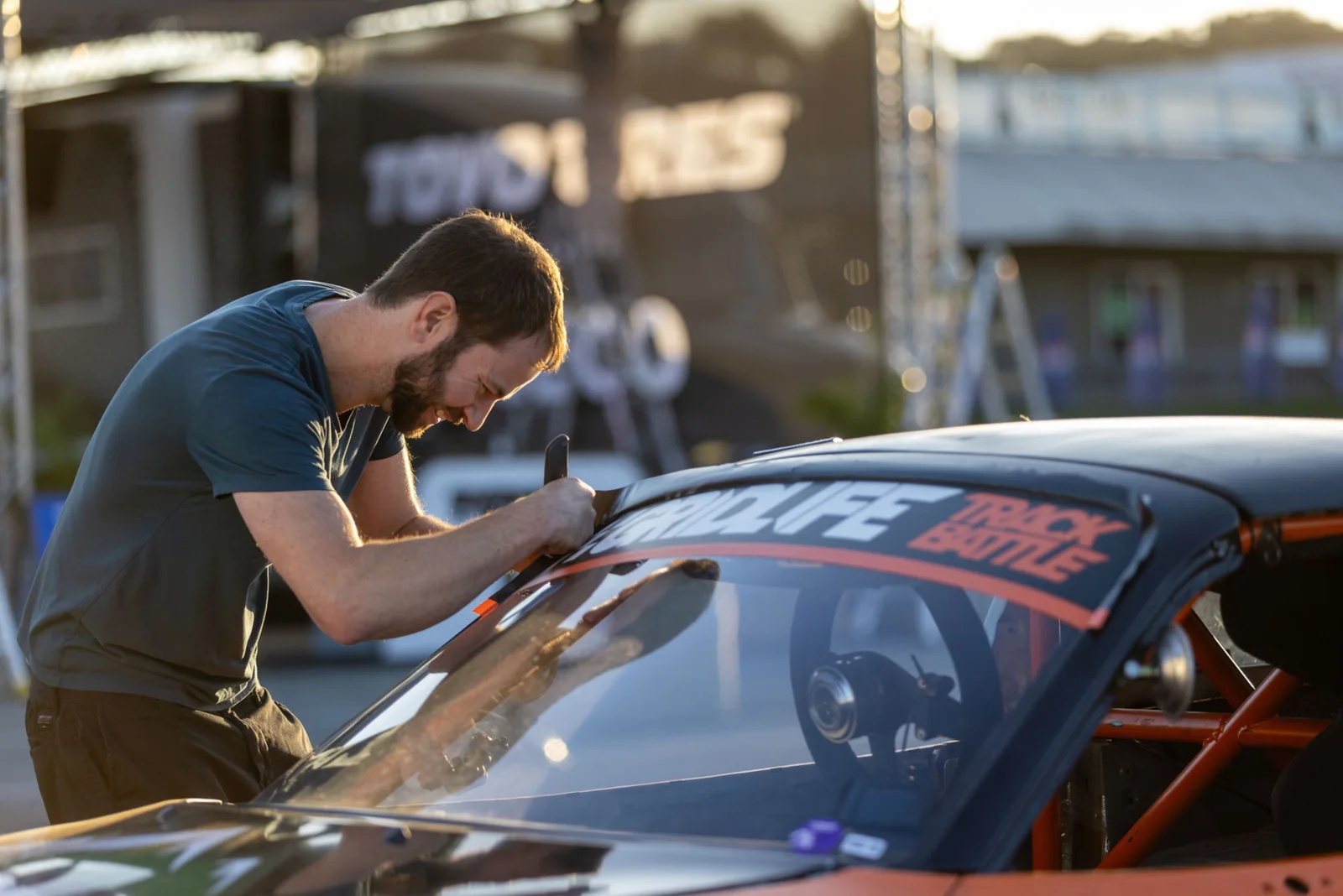 The work behind every race weekend
Media & technology
The aim is to make partner value visible beyond the finish line: show the product in use, explain the engineering decision and connect the result to what changed on the car.
Buchanan Racing is working toward live streaming and live telemetry integration to bring audiences closer to race weekends and development sessions. These capabilities are in development—not yet a guaranteed part of a partner package.
As the technology is tested, the focus is useful context: selected data, onboard storytelling and clear partner attribution. Detailed setup information and proprietary product feedback can remain private.
Media deliverables, usage rights and reporting are agreed with each partner, with live coverage subject to testing, event permissions and connectivity.
Discuss a media collaboration2027 platform
The target program spans Global Time Attack Limited RWD, GridLife TrackMod and NASA ST2 / STE-compatible endurance competition.
That range lets partners tell more than one story: peak performance, iterative setup work, reliability and the practical consequences of using a product under different demands.
Review the target program